Nawaloka Hospitals · Colombo
Specialist cancer treatment, all in one place.
Consultants, scans, chemotherapy, radiotherapy and follow-up visits under one roof at Nawaloka Hospitals in Colombo. You see the same team from your first appointment onwards.
- Consultant-led clinics
- Treatment plans agreed by the whole team
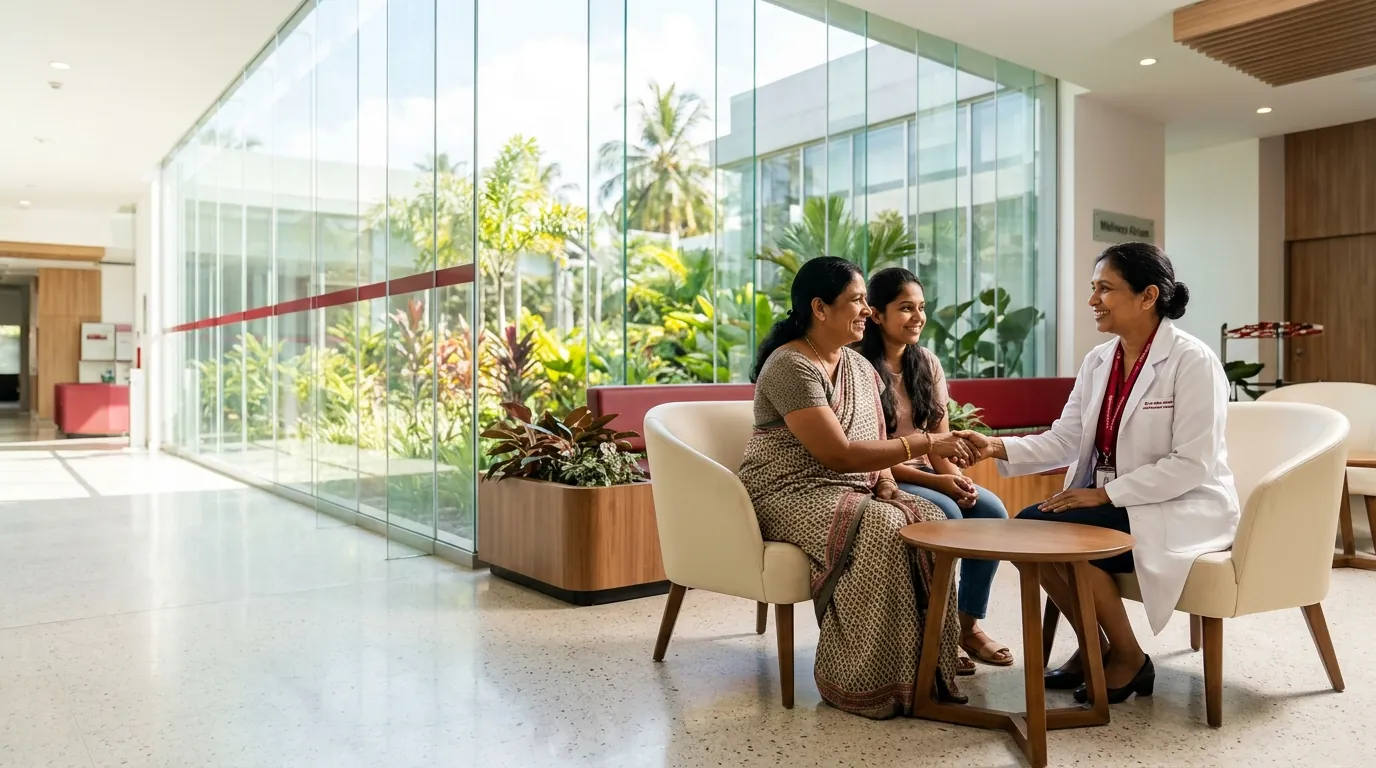
- Family members welcome at appointments
 Cancer Unit
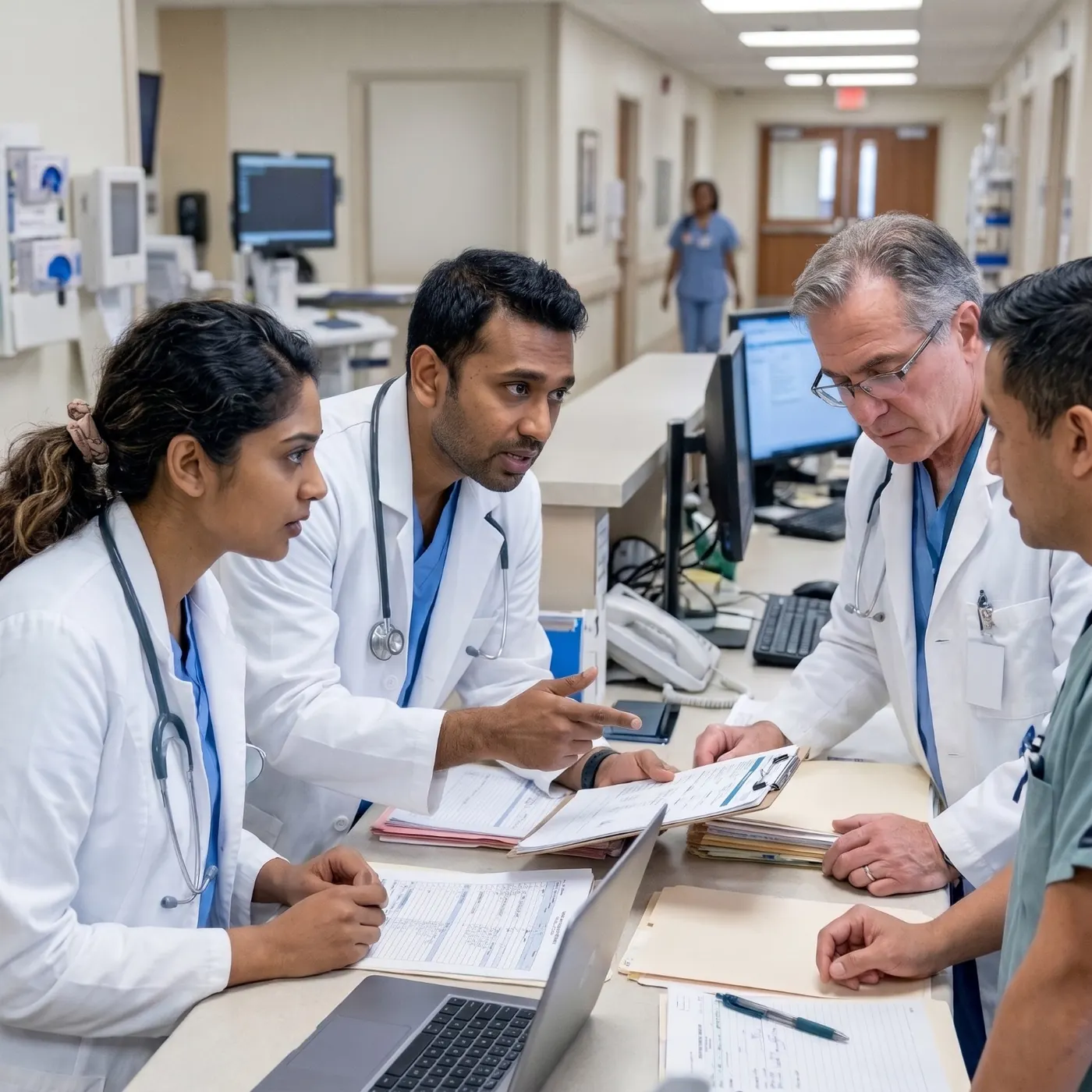
Consultant-led clinics
Family members welcome at appointments
Family members welcome at appointments
About the unit
One unit, one team, from first visit to follow-up
Our Cancer Unit puts the specialists you need in the same building, so you aren't sent from place to place for tests, results and treatment.
Your oncologist, surgeon, nurses and dietitian meet to talk through your case and agree a plan. We explain it in plain language and give you time to ask questions.
Treated as a person
Private consultation rooms, unhurried appointments and staff who know your name.
Decisions made together
Your case is reviewed by several specialists, not just one.
Safety checks at every stage
Medicines are prepared and double-checked under strict clinical protocols.
0Oncology services
0/7Patient helpline
0 daysClinics every week
Oncology Treatments
Advanced Cancer Treatments Offered
Our oncology specialists in Sri Lanka employ evidence-based protocols and the latest innovations to improve survival and quality of life.
drag to turn
Radiotherapy using modern linear accelerators for targeted treatment
02Immunotherapy and biologics for cutting-edge cancer treatment
03Minimally invasive surgical oncology procedures
04Palliative and symptom management for advanced cancers
05
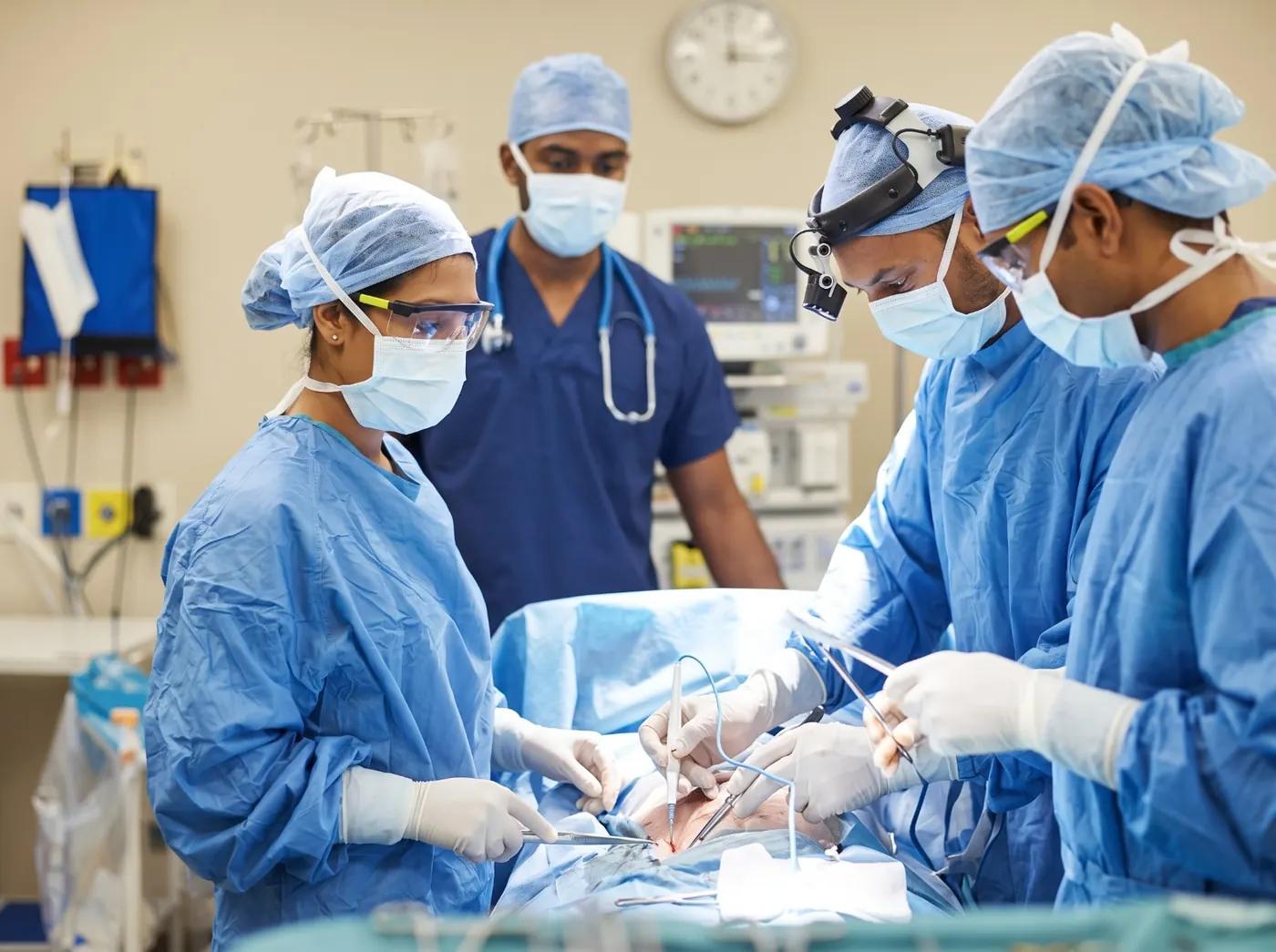
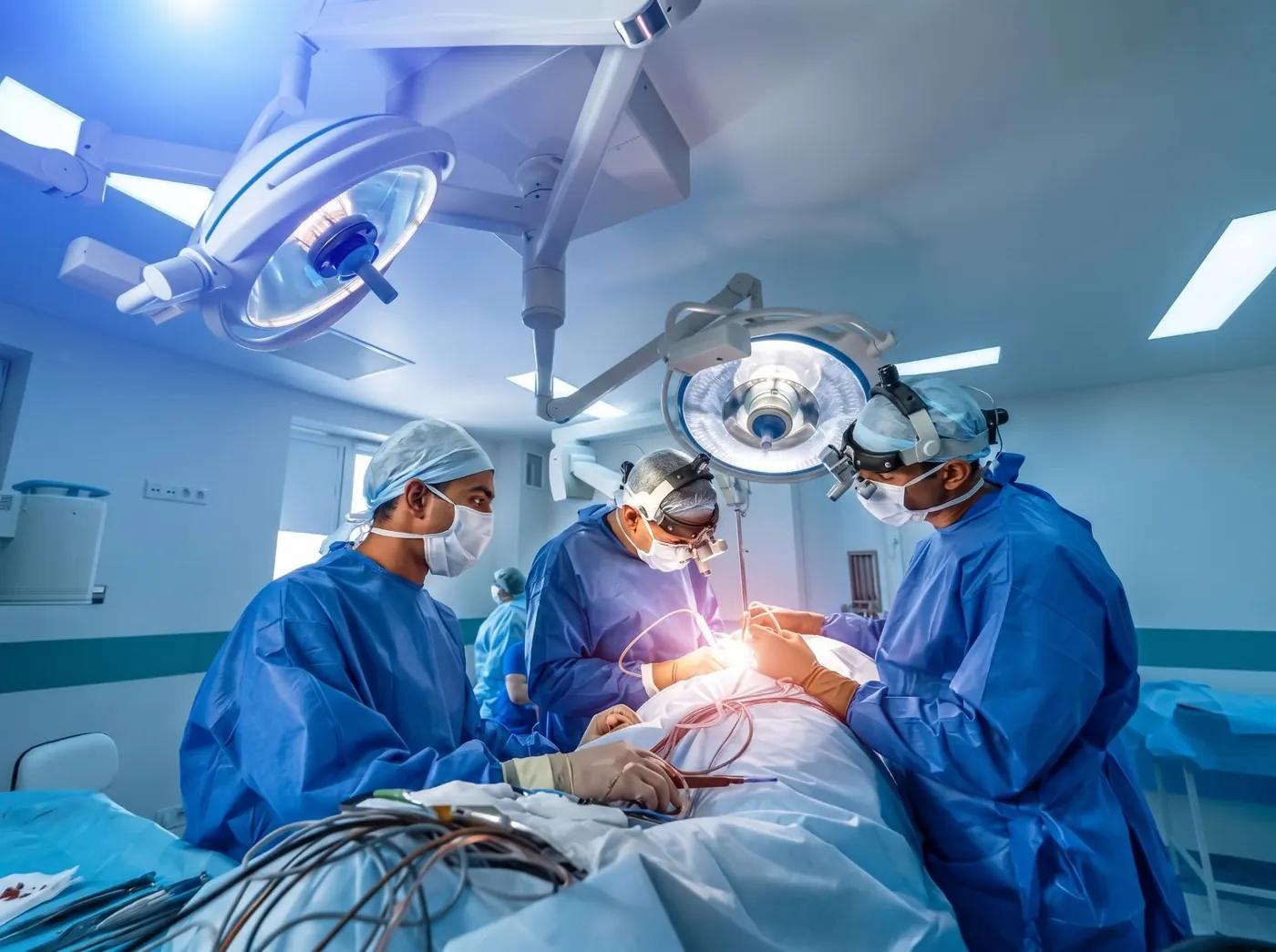
Minimally invasive where possible
Surgical Oncology
Surgery planned around you, not just the tumour
Where surgery is the right option, our surgeons use minimally invasive techniques whenever they can. Smaller incisions usually mean less pain, a shorter hospital stay and a quicker return to everyday life.
Getting you ready
- A pre-operative check with blood tests, scans and a heart check if needed
- You meet the anaesthetist and can ask about pain relief
- Clear written instructions on fasting and which medicines to pause
Hematology Services
Comprehensive Blood Disease Treatment
Our hematology department specializes in diagnosing and managing a wide spectrum of blood disorders.
Leukemia and lymphoma treatment
Anemia diagnosis and management
Clotting disorders including hemophilia and thrombophilia
Myeloma and other plasma cell disorders
Blood transfusion and bone marrow biopsy services
Hematopoietic stem cell transplant evaluation and support
Your visit
What happens after you contact us
Most patients go through these five stages. We'll tell you what to expect before each one.
- 1
First consultation
Meet a consultant, go through your history and ask anything you want.
- 2
Tests and staging
Scans and lab work to understand exactly what we are treating.
- 3
Team review
Our specialists discuss your results together and agree a plan.
- 4
Treatment
Surgery, radiotherapy or medicines, with regular checks along the way.
- 5
Follow-up
Check-ups, rehabilitation and support once treatment ends.
Facilities
Our equipment and facilities
Good equipment helps our doctors plan accurately. Here is some of what's available in the unit.
Treatment planning
Detailed planning so treatment reaches the disease and spares healthy tissue.
Imaging
Scans for diagnosis, staging and checking how well treatment is working.
Pharmacy preparation room
Cancer medicines are mixed in a controlled room and checked twice before use.
Personalised medicine
Where tests allow, treatment is matched to the features of your particular cancer.
Patient Guide
Things worth knowing about cancer
Clear, general information to help you understand risk, prevention and early detection. Your own doctor can tell you what applies to you.
The International Agency for Research on Cancer (IARC), part of the World Health Organization, sorts things into groups by how strong the evidence is that they can cause cancer.
Higher certaintyLower certainty
IARC Group 1
Carcinogenic to humans
Sufficient evidence in humans
Evidence: Strongest
Examples
- Tobacco smoking
- Betel quid and areca nut
- Alcoholic drinks
- Processed meat
- Solar radiation
- Ionizing radiation
- Outdoor air pollution
These groups show how certain the evidence is, not how dangerous something is. Smoking and sunlight are both in Group 1, but the amount of exposure makes a big difference to the actual risk.
Source: IARC Monographs on the Identification of Carcinogenic Hazards to Humans (World Health Organization).
Noticed a change that hasn't gone away?
A new lump, unexplained weight loss, unusual bleeding or a cough lasting more than three weeks is worth getting checked. Most of the time it turns out to be something minor, but it's always better to ask.
FAQ
Common questions
Can't find what you're looking for? Call us on +94 115 777 777 and we'll be glad to help.
TODO: confirm policy. Many patients are referred by their doctor, but you are welcome to request a consultation directly.
Bring your ID, previous medical reports, scans, a list of current medicines and any questions you have. A family member is welcome to join you.
TODO: confirm visiting policy for the chemotherapy day unit and wards.
TODO: list accepted insurers. Our admissions team can help verify cover before treatment starts.
Yes. Counselling, dietitian and rehabilitation support are offered to every patient.
Appointments
Book a consultation
Fill in a few details and our patient coordinator will call you back to arrange a time.
General hotline
+94 115 777 777Email address
nawaloka@slt.lkVisit
23, Deshamanya H. K. Dharmadasa Mawatha, Colombo 02, Sri Lanka
Hours
Mon–Sat 8:00 AM – 6:00 PM, emergencies 24/7